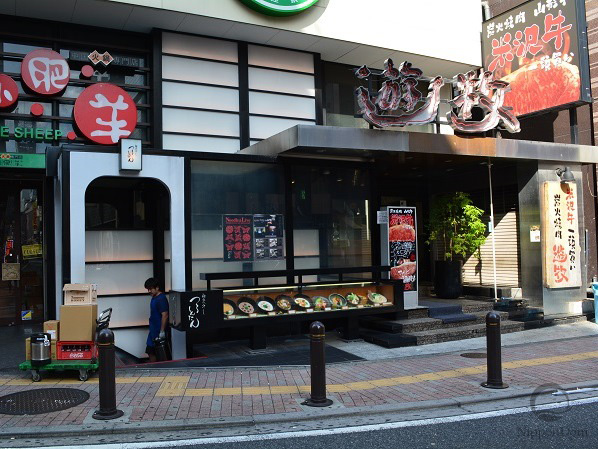
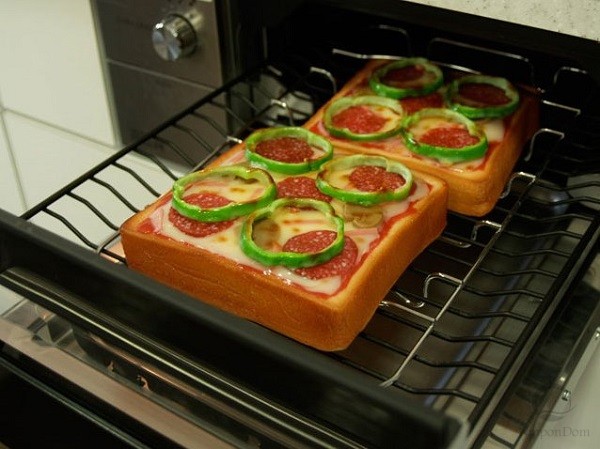
In Japan, restaurant owners do not treat restaurant window display lighting as mere decoration. They call the glowing window mugon no hanbaiin — the silent salesperson. It stands at your door twenty-four hours a day, working in your absence, deciding for every passer-by whether to step in or walk past.
The difference between a window that sells and one nobody notices comes down to one detail many owners overlook: light. This guide shows how Japanese restaurateurs use it to build windows that actually sell.
In Japan, your window is not just decoration — it is your best salesperson
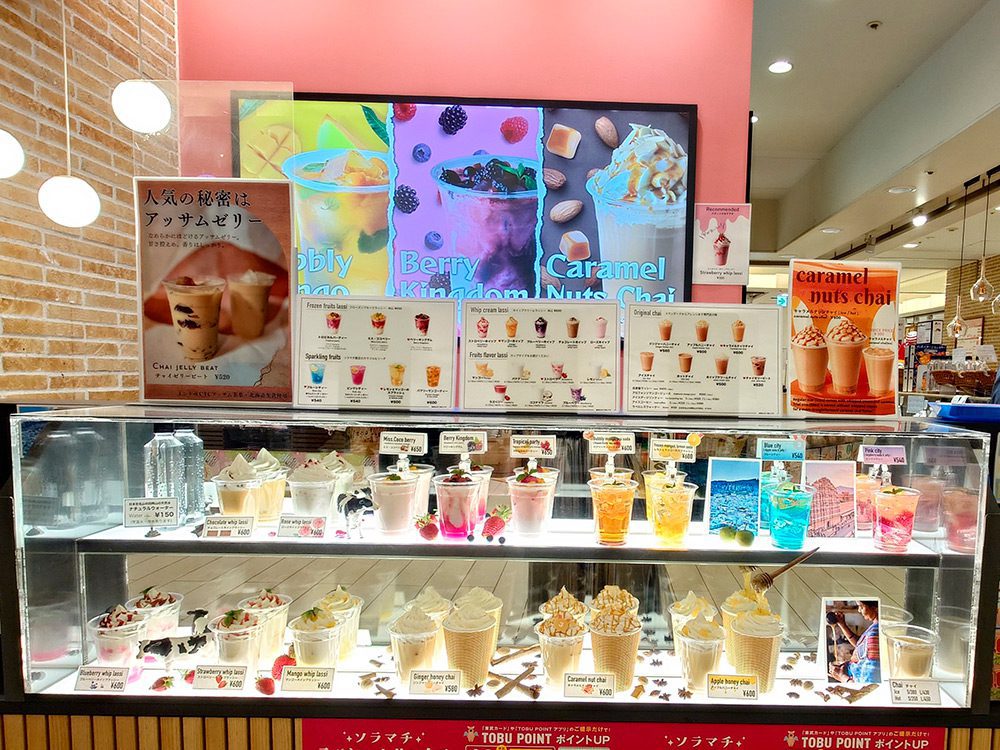
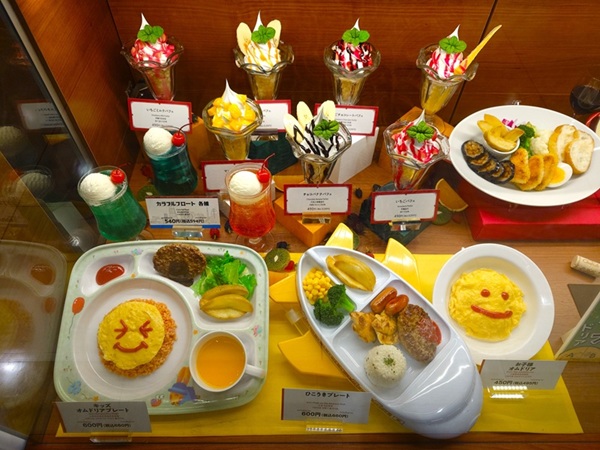
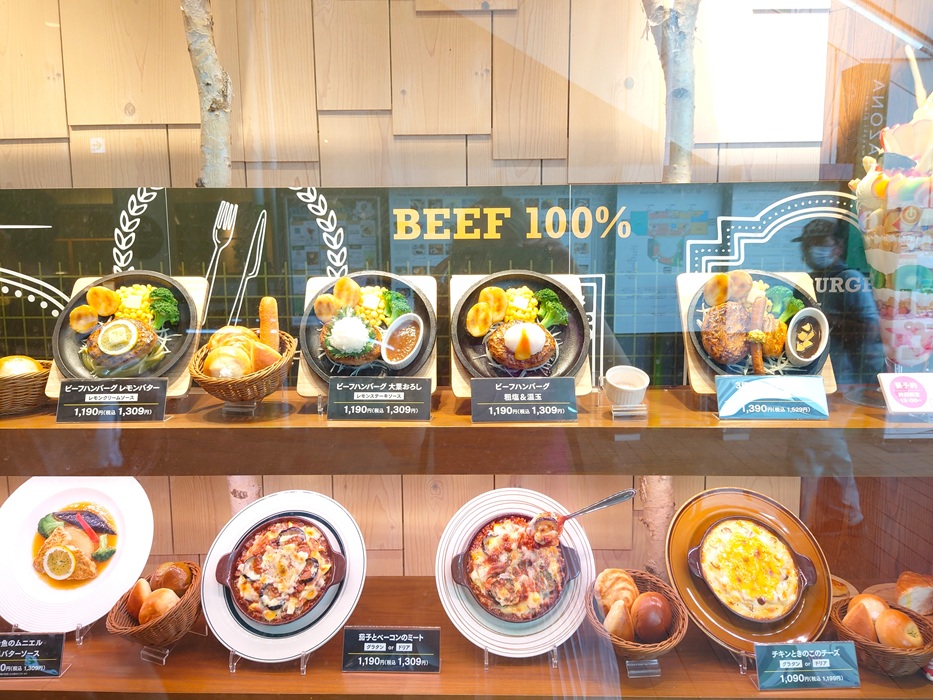
Walk through any restaurant district in Tokyo at night and you will see something rare in Western cities: bright, attention-grabbing windows filled with realistic food replicas, often hard to tell from real dishes. What makes them so compelling?
Japanese restaurateurs understand that around 80% of the decision to walk in is made on the sidewalk, in under three seconds, based on how the window looks. The window is not a sign — it is the entire sales pitch. Good restaurant window display lighting is what separates a window that sells from one nobody notices.
The proof is simple: when a cafe closes and switches its window light off, the display goes dark and instantly stops working. The same replicas that pulled people in an hour ago now blend into the street. The lighting, not the food alone, is what does the selling.
The replicas can be the most realistic in the world, but if they are lit badly, the passer-by never notices them. Light is what gives Japanese silicone food replicas the impression of real food.

The single number that decides if your food looks delicious — color temperature
If you take one fact from this article, take this: the color of your light matters more than its brightness.
Light is measured in color temperature, on a scale of Kelvin (K). The lower the number, the warmer and more orange the light; the higher the number, the colder and bluer it becomes.
Here is what Japanese lighting designers recommend for restaurant windows:
| Color temperature | Best for |
|---|---|
| 2700–3000K (warm white) | The Japanese standard for restaurants. Brings out red, gold, brown and orange tones. Makes meat, sauces, pizza, ramen broth, baked goods and desserts look rich and appetizing. |
| 3500K (warm-neutral) | Family restaurants, patisseries, cafés with bright modern interiors. |
| 4000–5000K (daylight white) | Only for fish, sushi, vegetables and seafood — emphasizes freshness and gloss. Used in fish markets. |
| 5000K+ (cool blue-white) | Avoid. Tomato sauce turns grey, bread looks pale, meat looks lifeless. Suppresses appetite. |
For most restaurants — Italian, burger shops, cafés, dessert venues, ramen, izakaya — the answer is simple: 2700K to 3000K, never higher.
Why warm light makes people want to come inside
There is a psychological reason warm light works, and it goes deeper than aesthetics. Japanese lighting designers explain it through a feeling of anshinkan — safety. Our ancestors gathered around fire for thousands of years; the orange glow of flame became hard-wired into the human brain as a signal of safety, food and rest. The color of sunset has the same effect — it tells the body the working day is over and it is time to eat.
When a tired person walks past your restaurant at 7pm and sees a warm, golden window, their brain does not process any of this consciously. It simply feels welcoming. They slow down. They look. They walk in.
A cold blue window does the opposite — it feels like an office, a hospital, a convenience store. People do not stop at offices for dinner.
Two types of light Japanese restaurants use — and why they combine both
This is something almost no European restaurant gets right. Japanese display professionals use two types of fixture inside the same window:
- Frosted cover — diffused light. Soft, even, fills the whole display with gentle illumination and no harsh shadows. The base layer.
- Clear cover — directional spotlight. Sharp and bright, creates highlights on glossy surfaces — the gloss of a sauce, the shine of a glazed donut, the wet look of fresh sashimi. Used to draw the eye to one or two “hero” dishes.
The professional formula: diffused light for the whole window plus one or two spotlights for the bestseller. This is exactly what we recommend when we consult on restaurant window display design.
A single overhead bulb does neither job well. It leaves the display flat and shadowy, and nothing stands out as the star.
The direction of light — top-side is the Japanese standard
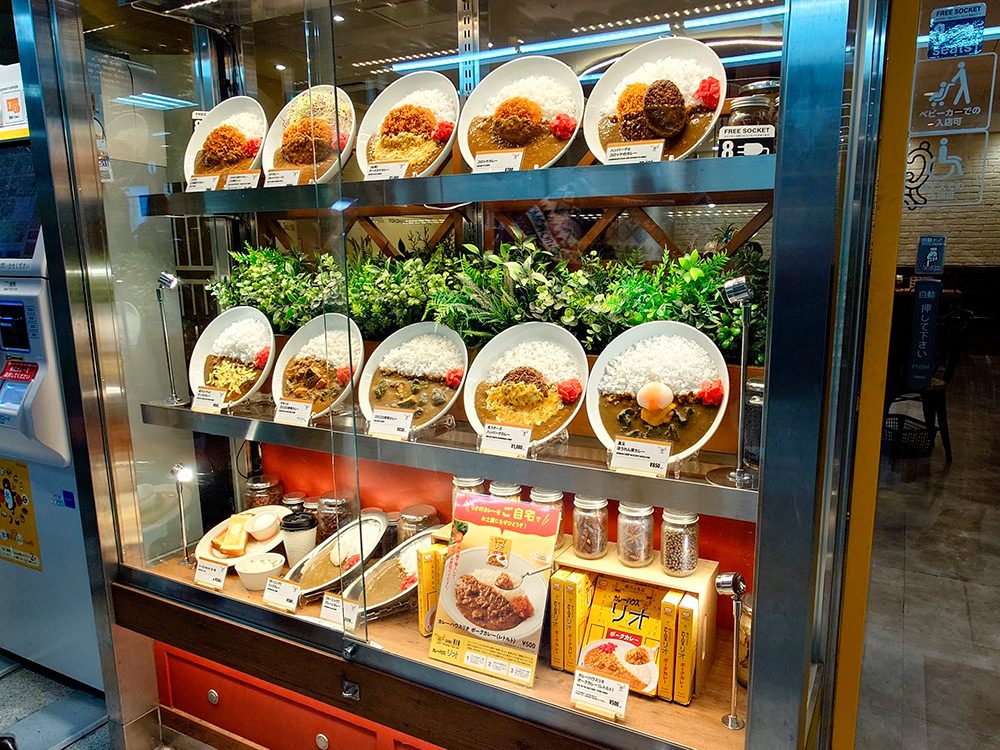
Direction is the part of restaurant window display lighting that owners get wrong most often. Japanese standard practice is to mount lights at the front-top edge of the case, angled slightly downward and inward toward the food.
Here is why direction matters:
- From directly above: flattens the food. No texture, no depth.
- From behind: creates a silhouette. You see the outline, not the dish.
- From below: unnatural for solid food — the brain reads it as a horror-movie effect. One exception below.
- From the front-top, angled down-and-in: the food gains volume, gentle shadows reveal texture, glossy surfaces catch the light. This is the formula.
The most common mistake is lighting the case from the top only. The food looks flat, the lower shelves fall into shadow, and the juicy, appetizing colors of the dishes never reach the passer-by. The simple test: if you cannot see soft shadows on the food, the lighting is wrong.
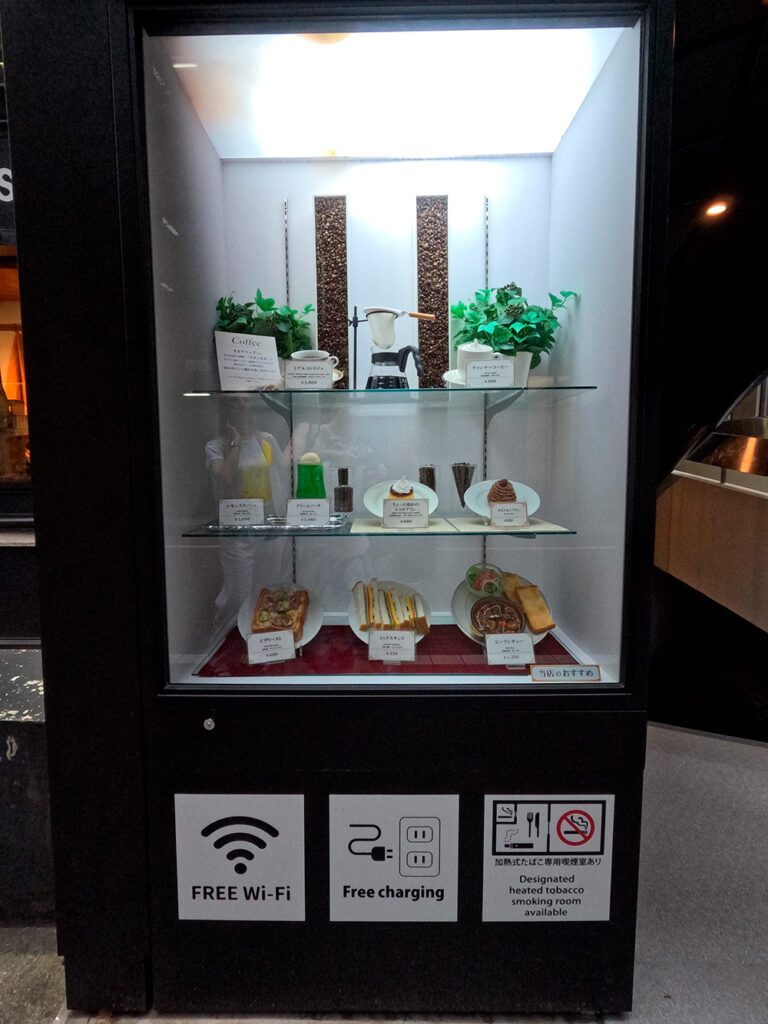
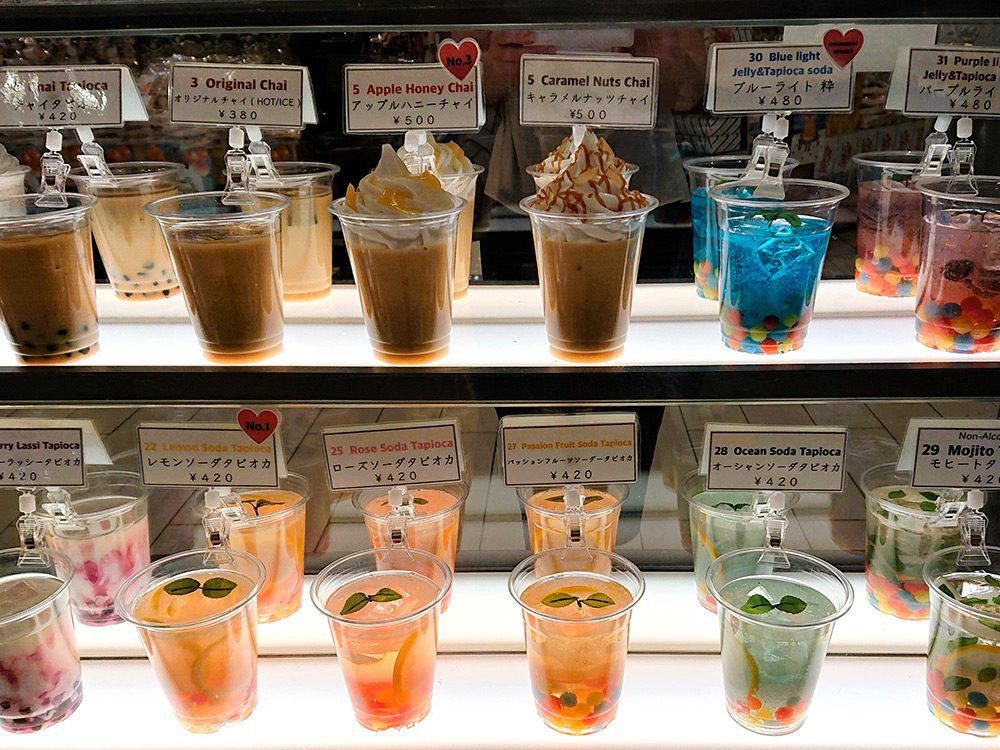
The one exception is transparent drinks. For clear beverages, parfaits and jelly desserts, lighting from below is not only allowed — it is beautiful. Light passing up through the glass reveals the layers and the composition of the drink, turning the glass itself into an advert.
The mirror trick — how to double your display for free
This is one of those things Japanese display shops do automatically and Western restaurants almost never do: install a mirrored back wall in your window display.
What happens:
- The number of dishes visually doubles. A window of twelve replicas looks like twenty-four.
- Light bounces back through the display, making the case noticeably brighter without adding a single bulb.
- Customers see the back of each dish reflected — angles they would otherwise miss.
Cost: low. Effect: dramatic. This is the highest-leverage change most restaurant owners have never heard of.
Color accuracy matters more than brightness
There is a measurement called CRI — Color Rendering Index. It measures how truthfully a light source shows the natural colors of objects.
Cheap LED bulbs have low CRI. Under them, marbled beef looks like a flat brown slab, salmon nigiri loses its orange depth, white rice turns faintly yellow, and pink strawberry mousse looks orange.
High-CRI LED bulbs (90+) show colors the way the human eye actually sees them. Japanese sushi bars, butcher shops and patisseries pay extra for high-CRI lighting for one reason: their entire business depends on the customer seeing fresh, natural color. The mistake is choosing bulbs by price and watts. Choose by two specifications printed on the box: Kelvin (2700–3000K) and CRI (90+).
LED is the modern Japanese standard
For modern restaurant window display lighting, LED has become the default choice in Japan — and for good reasons.
LEDs are gentle on what they illuminate. They emit almost no ultraviolet, so the natural colors of your display stay vivid for years. They run cool, keeping the temperature inside the case stable. A single fixture typically lasts 40,000+ hours — about ten years of restaurant use — so you change bulbs once a decade, not every few months.
There are practical benefits too: LEDs do not attract insects, use a fraction of the electricity of older bulbs, and come in the full range of color temperatures and CRI values, so you can match the light precisely to your menu. For owners using custom food replicas, this matters even more — our silicone replicas are designed to look their best under modern LED lighting, the same standard used in the windows of Tokyo. If your window still uses halogen or old fluorescent fixtures, upgrading to LED is one of the cheapest, most impactful changes you can make.
A clean window or no window at all
Every Japanese display professional knows this: the better your lighting, the more visible every speck of dust becomes.
Dust scatters light, kills gloss and dulls color. A dusty replica under perfect lighting looks worse than a clean replica under mediocre lighting, because the eye expects food to be fresh and dust signals neglect. There is also a subconscious effect: a dusty window quietly tells the passer-by that if the window is dirty, the kitchen probably is too. Rarely conscious — but it kills walk-ins.
Caring for Japanese silicone food replicas is simple:
- Wash with cool or lukewarm water and mild dish soap. Rinse quickly.
- Never soak. Silicone is waterproof, but some details are glued, and long soaking weakens the adhesive.
- No solvents, no bleach, no acetone. They damage the surface finish.
- Dry with a microfiber cloth. No abrasive sponges — they scratch the gloss.
- Wipe the glass daily. Inspect the replicas every two weeks.
Done this way, a Nippon Dom replica stays factory-fresh for years.
The Japanese lighting checklist for restaurant owners
Tonight, walk to the opposite side of the street from your restaurant and check your window against these eight points:
- Is the light warm white (2700–3000K), not cold blue?
- Are the bulbs high-CRI (90+) for accurate color?
- Does each main dish have its own spotlight, or is everything under one flood?
- Is there a soft diffused base layer plus directional accents — or only one type of light?
- Do you see gentle shadows that reveal texture, or does the food look flat?
- Are there bright glare spots hiding the dishes behind reflections?
- Is the back wall of the display mirrored?
- When did you last clean the glass and the replicas?
If you can answer “yes” to seven of these, your window is doing its job.
Conclusion
In Japan, lighting a window display is treated as a discipline, not a decoration. The principles are simple and repeatable: warm light, accurate color, two layers of fixtures, the front-top angle, a mirrored back wall and a clean surface. None of this requires expensive equipment — most of it requires only better choices. Done right, restaurant window display lighting turns a passive window into your most reliable salesperson.
If you are planning a new window or rethinking an existing one, we can help — both with custom food replicas built to look natural under the lighting you choose, and with practical guidance on how to display them. See examples in our food display gallery.
Related Posts
Kids Menu Design Ideas for Family Restaurants and Cafés
Dinnerware Marketing Ideas: How to Increase Sales in Retail Stores
Restaurant Pricing Psychology: How the Magic of Numbers Boosts Sales