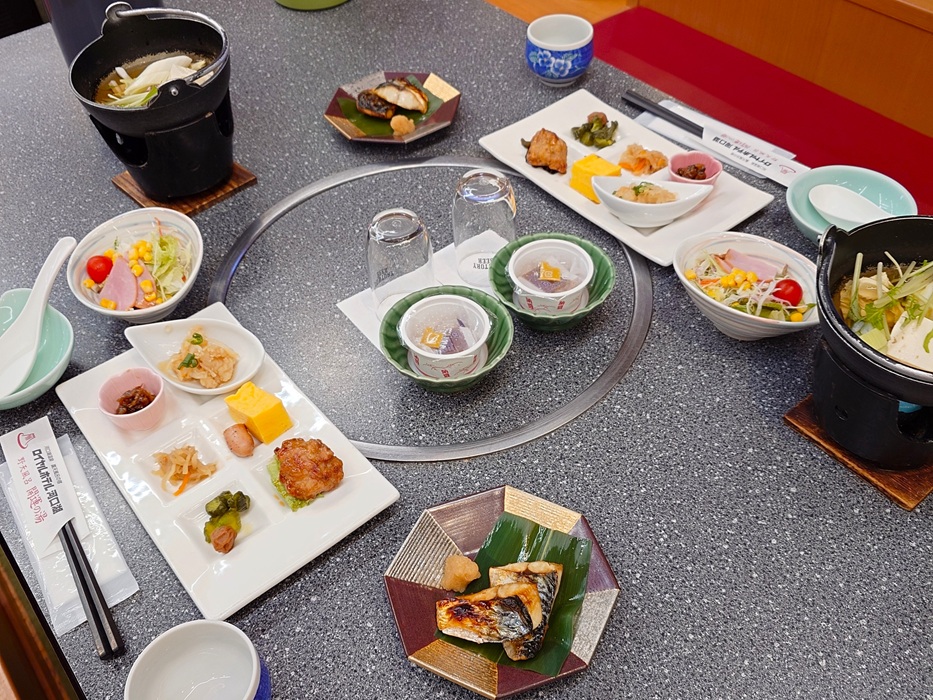
Airport restaurant marketing presents unique challenges. Travelers are under time pressure, navigating unfamiliar surroundings, and often making quick decisions without carefully reviewing menus. In many cases, customers do not speak the local language and may not recognize the dishes offered.
As a result, restaurants must communicate their offer instantly and clearly. Visual presentation becomes one of the most effective ways to attract attention, build confidence, and help customers decide quickly.
Japanese airport restaurants provide one of the most advanced examples of this approach. Across major airports throughout Japan — from Okinawa to Hokkaido — restaurants widely use realistic visual displays of their menu items. These displays allow international travelers to understand the food immediately, reduce uncertainty, and make faster decisions, improving both customer experience and restaurant performance.

Solving the Language Barrier for International Travelers
One of the biggest challenges in airport restaurant marketing is serving customers who do not speak the local language. International travelers may not understand menu descriptions, dish names, or ingredients. When travelers feel uncertain about unfamiliar dishes, they often choose globally recognizable brands such as McDonald’s or Starbucks, simply because they know what to expect.
Visual displays solve this problem by presenting the dishes in a clear and universal way. Instead of relying on written descriptions, restaurants can show the actual appearance of each menu item. Customers can immediately recognize the type of food, portion size, and overall presentation.
This approach is widely used in Japanese airports, where realistic food displays allow travelers from any country to understand the menu instantly. As a result, restaurants can serve international customers more effectively and reduce lost sales caused by uncertainty or confusion.

Helping Customers Make Faster Decisions
In airport environments, time is one of the most critical factors influencing customer behavior. Travelers often have limited time before boarding and prefer to make quick, confident decisions without studying detailed menus.
Visual displays help simplify and accelerate this process. By presenting menu items in a clear and realistic way, restaurants allow customers to understand their options immediately. This reduces hesitation and eliminates the need to read descriptions or ask questions.
In Japanese airports, visual food displays play a key role in helping customers choose quickly. Travelers can compare dishes, recognize what they want, and make a decision within seconds. This efficiency benefits both customers and restaurants, increasing customer flow and improving overall sales performance.

Increasing Average Check Through Visual Presentation
Airport restaurant marketing is not only about attracting customers — it is also about maximizing revenue per guest. When customers cannot clearly see the full range of options, they tend to order only a main dish and avoid additional items.
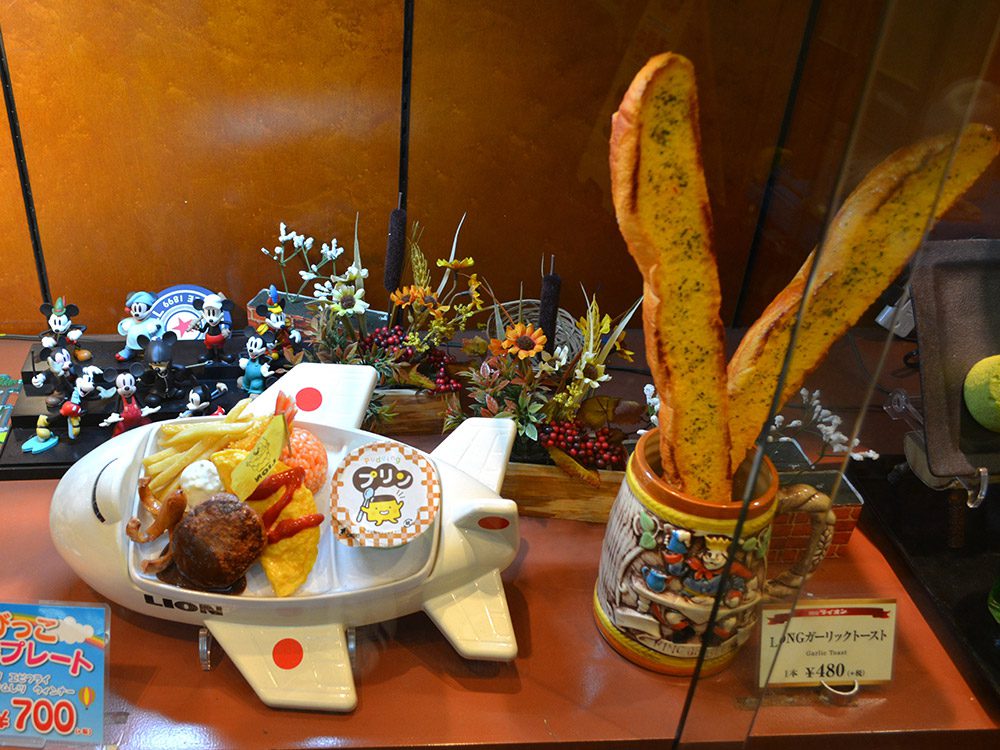
Visual displays expand the perceived menu. By showing full meal sets, desserts, drinks, and side dishes in a realistic way, restaurants encourage customers to consider more than just one item. Seeing a complete set presented attractively often leads to upgrading from a single dish to a combo meal.
In Japanese airport restaurants, realistic food displays frequently present full set menus rather than individual plates. This visual strategy increases the likelihood of additional purchases and supports a higher average check without aggressive upselling.

Standing Out in a Highly Competitive Airport Environment
Airports are highly competitive environments where multiple restaurants operate side by side, often offering similar types of food. In this situation, attracting customer attention becomes one of the most important factors in restaurant performance.
Visual displays create an immediate point of differentiation. A realistic and well-designed food display naturally draws attention and communicates the restaurant’s offer without requiring effort from the customer. Proper showcase design plays a critical role in this process, and following professional restaurant showcase tips can significantly improve visual impact. Even from a distance, travelers can quickly understand what the restaurant serves.
In Japanese airports, visual food displays are a standard tool for attracting attention and guiding customer choice. They help restaurants stand out in crowded food courts and increase the likelihood that travelers will stop, explore the offer, and enter the restaurant.
Building Customer Trust Through Visual Transparency
Trust plays a critical role in customer decision-making, especially in unfamiliar environments such as international airports. When customers cannot clearly visualize what they will receive, they may hesitate to order or choose a more familiar alternative.
Realistic visual displays reduce this uncertainty by showing the exact appearance of each dish. Customers can see portion size, ingredients, and presentation before ordering. This transparency creates confidence and helps customers feel more comfortable trying new or unfamiliar food.
In Japanese airport restaurants, visual food displays serve as a reliable and honest representation of the menu. This builds customer trust, reduces hesitation, and increases the likelihood of purchase.

Why Visual Displays Are a Strategic Tool in Airport Restaurant Marketing
Airport restaurant marketing requires solutions that communicate quickly, clearly, and effectively to an international audience. In an environment where customers make fast decisions and often face language barriers, visual presentation becomes a critical factor in attracting and converting customers.
Japanese airport restaurants demonstrate how realistic visual displays can solve multiple business challenges at once. For example, you can explore restaurant listings at Haneda Airport to see how airport restaurants present their menus visually. They help overcome language barriers, speed up customer decisions, increase average check, differentiate the restaurant from competitors, and build customer trust.
By making the menu visible and understandable at a glance, visual displays improve both customer experience and restaurant performance. Professional food replica displays provide one of the most effective ways to implement this strategy in airport restaurants worldwide. For airport restaurants worldwide, this approach represents a proven and practical strategy for increasing customer flow and maximizing revenue.

Related Posts

Why Restaurants Need a Kids Menu: What 95 Years of Japanese Practice and Recent US Data Both Confirm